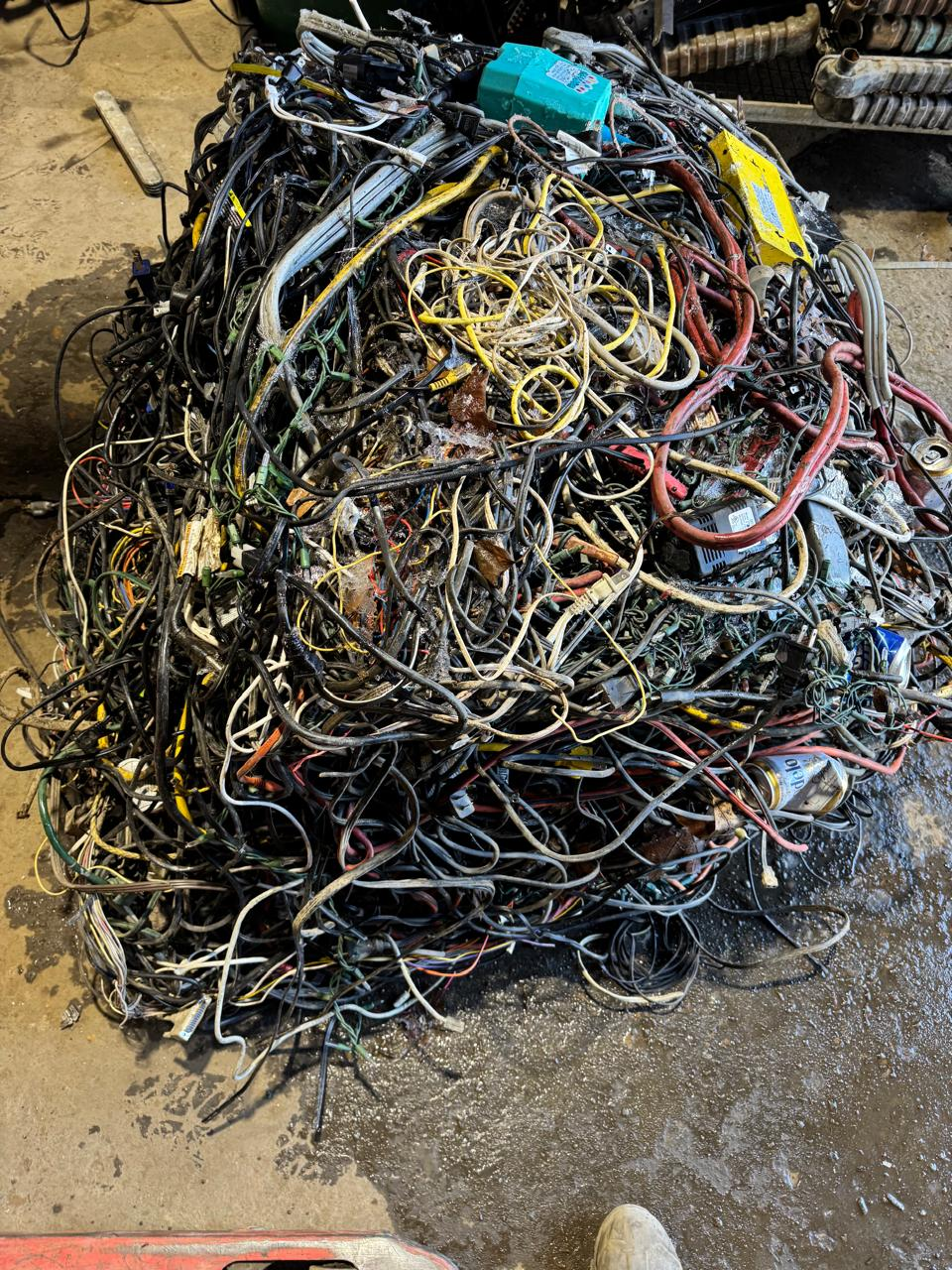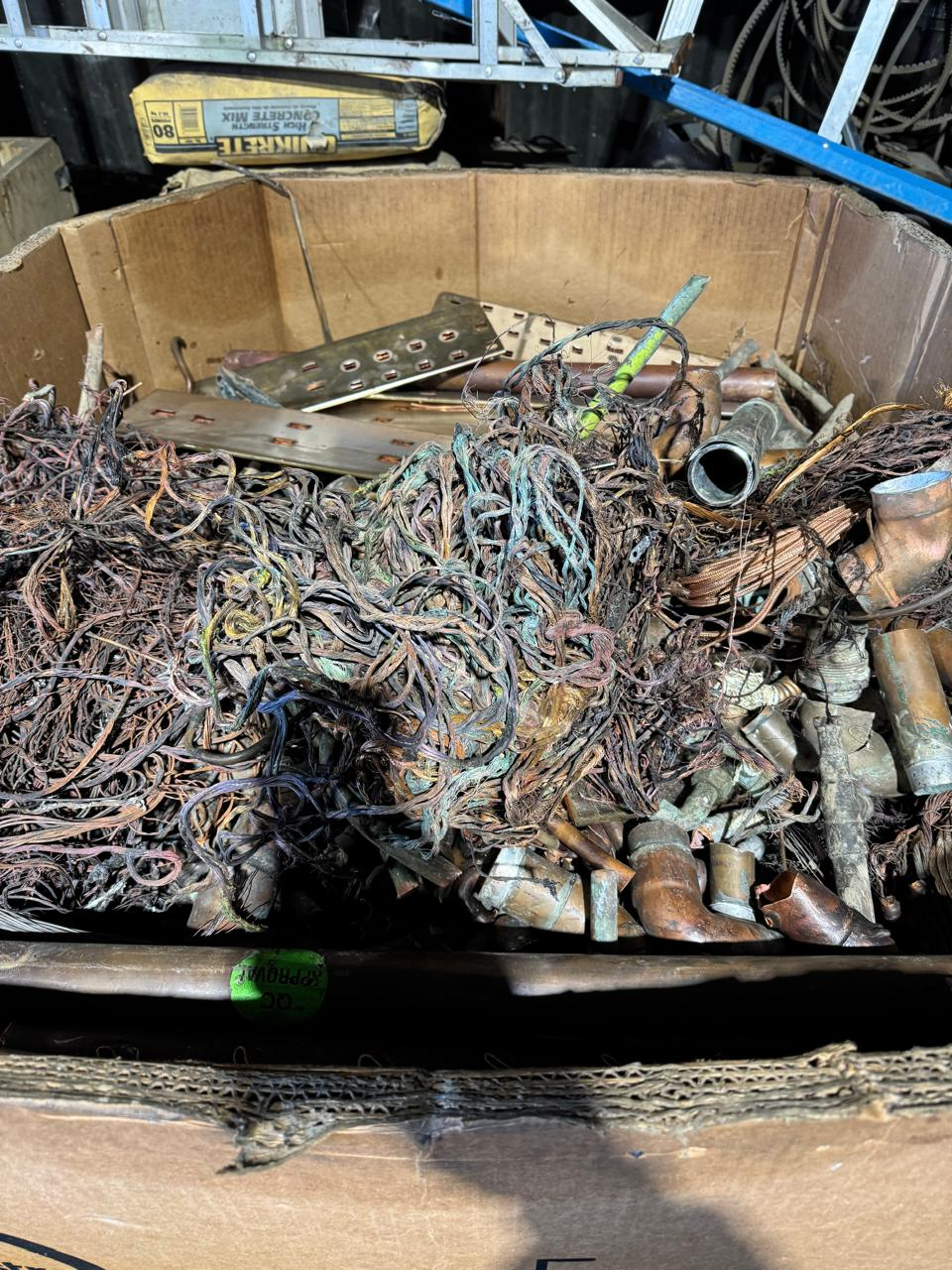
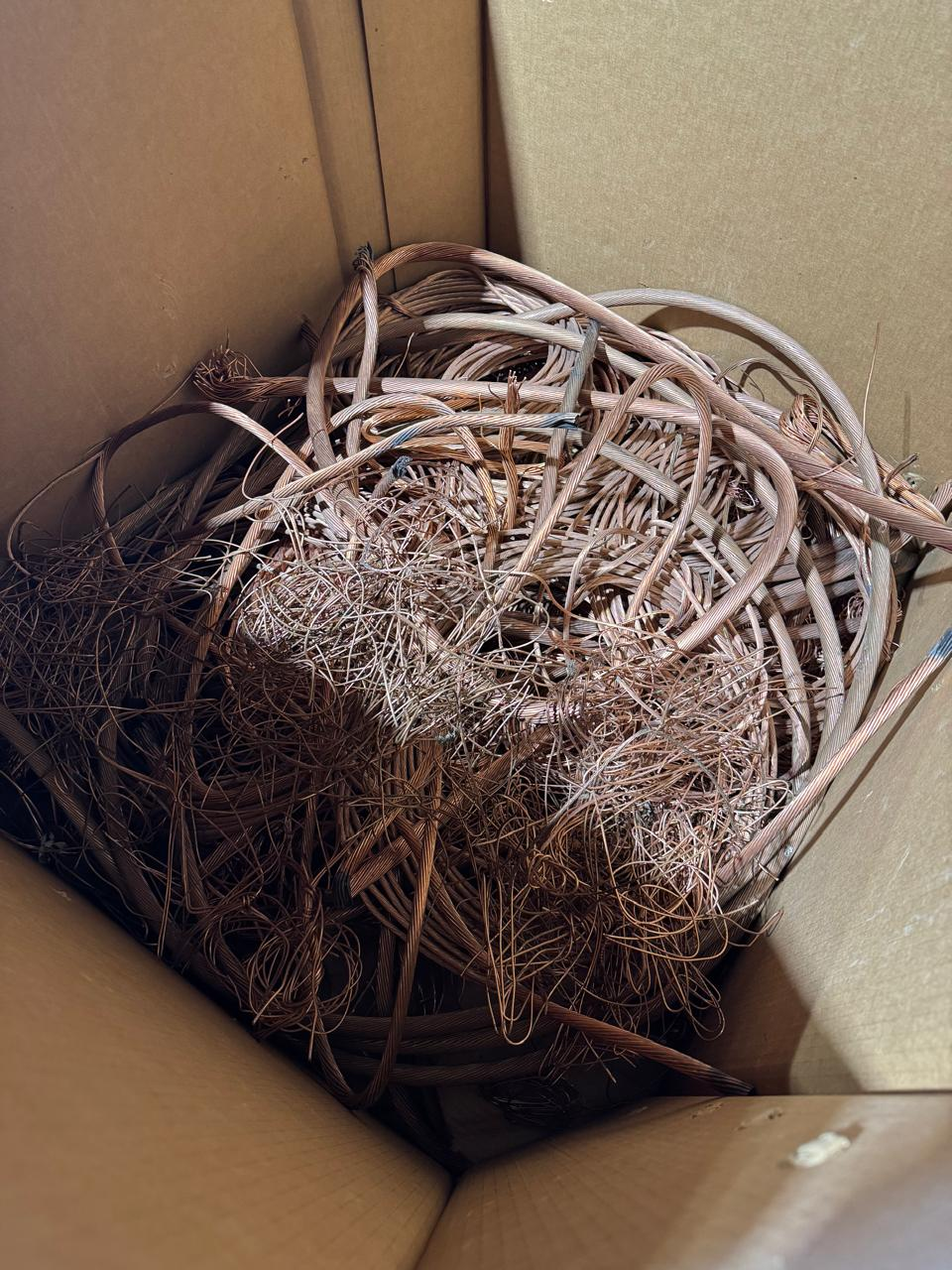
When we discuss personal environmental responsibility, the conversation centers on reducing plastic use or recycling paper. However, there is a silent powerhouse that no one notices: scrap metal.
Many materials degrade after a single recycling cycle, but metal is different. It possesses “infinite circularity,” so it can be recycled repeatedly. Plus, the material does not lose its strength or chemical properties. We need to understand scrap metal and know that it is no longer an environmental preference. The approach is an industrial necessity.
How Scrap Metal Recycling Contributes to Sustainability
The Environmental Impact You Need to See
Every ton of recycled steel is important. It saves:
- 2,500 pounds of iron ore
- 1,400 pounds of coal
- 120 pounds of limestone
Aluminum recycling can save even more. About 95 percent of the energy is used to form new metal. The energy we can save for steel is about 60 to 75 percent. We should think about it. Just passing one aluminum through the process can save the power that you can use to recharge a laptop for three hours.
Now scale that up.
Across factories.
Across cities.
Across industries.
Every year, tons of greenhouse gases could be saved. It goes deeper than energy. Metal mining is among the most harmful processes on Earth. It clears forests. Add toxicity to water with poisonous chemicals. Harm the habitats and destroy them. Leaves the scare that can not be fixed later. When you choose the metals that are recycled, we lower the requirement for new mining.
The Economics of Doing Good
Here’s what makes scrap metal recycling different. The approach makes money. Unlike plastic recycling, which often needs subsidies to survive, scrap metal has real market value.
The process creates a cycle that works for economic benefits and environmental benefits together. The global scrap metal recycling industry is massive. It generates over $500 billion every year.
Recycling metals creates millions of jobs. People are needed at every step of the process. They can collect and sort the material. Opportunities for humans are also present in processing and manufacturing.
It’s not just good for communities, but individuals benefit too. Old appliances, car parts, and even household wiring can all be valuable. For businesses, recycling metal is good for the planet. It can also make extra money and cut down on disposal costs.
Positive Social Impact That Goes Further
When communities embrace scrap metal recycling, benefits multiply. Neighborhoods become cleaner. Jobs are created locally, and mining slows down. Fewer communities are displaced, and pollution is reduced where it hurts the most.
Virgin vs Recycled Metal: Which Is Better?
This is where it gets real. For years, people believed recycled metal was of lower quality.
That virgin metal was somehow better. With metal, that’s not true.
Quality
Recycled metal meets the same standards as virgin metal. The steel we get from scrap performs the same as the steel from iron ore. The aluminum we extract from the old can is also like the new one.
This is because metal recycling works differently. When metal melts, its structure stays intact, and impurities are removed. What you get performs the same as virgin metal. There is no difference in use and no compromise in strength.
Environmental Impact
This is where recycled metal clearly wins. The recycled aluminum emits 95 percent less. If we talk about steel, it is almost 58 percent less.
Moreover, it takes a lot of water in the mining process. Millions of gallons per ton. On the other hand, recycling uses far less. Along with that, mining destroys landscapes, and recycling doesn’t.
Cost Over Time
Virgin metal prices go up and down. Mining costs rise as resources get harder to find. Recycled metal stays more stable, and that is why industries are shifting, like:
- Automotive
- Construction
- Manufacturing
The Climate Connection: Why This Matters Now
The next decade will shape everything. Every small temperature change matters. Metal recycling helps right now, and it is proven and scalable. The metal industry creates about eight percent of global emissions.
Using recycled metal can cut that by more than half. That equals removing millions of cars. Global metal demand will double by 2050 as more people need more materials.
Virgin mining cannot support this, and the damage would be severe. Recycling offers a better path and meets demand.
Energy Security and Resource Independence
Recycling metal matters for the planet and global stability. Mining is concentrated and often in unstable regions. That creates dependence and real risk.
Countries with strong recycling systems rely less on imports. They source metal locally and stay in control. Recent global disruptions proved this, as supply chains cracked and conflicts escalated.
Nations with scrap recycling stayed steady. Prices stayed predictable. Materials kept moving, and countries dependent on virgin imports struggled. Shortages hit fast, and prices spiked harder. Recycling isn’t just sustainability. It’s security.
Evolving of Industry Standards
The scrap metal industry is changing fast. New challenges emerge, and new opportunities arise.
Advanced Sorting Technologies
Recycling isn’t like it was before. Present day facilities use high tech tools. Eddy current separators sort non ferrous metals. X ray fluorescence checks alloy composition in seconds. AI and machine learning optimize sorting. They even spot contamination.
These tools make recycling more efficient. Items once too costly to process can now be recovered. More materials are reused than ever.
E Waste and Precious Metals
Electronic waste is increasing. Smartphones have gold and silver. Platinum and palladium are also there. Plus, there are copper and rare earths. Globally, we produce over 50 million tons of e-waste yearly. Much ends up in landfills, and valuable metals are wasted.
Specialized facilities now dismantle electronics safely. They can recover over 95% of metals. This helps the environment. It also keeps the metal supply steady. Mining less is better for nature.
Regulatory Evolution
Rules are tightening worldwide. The EU’s Circular Economy Plan sets high recycling targets. Many countries require manufacturers to manage end-of-life products.
These rules push the industry forward. Environmental practices get stronger, and recovery rates increase. Consumers have better disposal options.
Industry Certifications and Best Practices
Top recyclers pursue R2 and ISO 14001 certifications. These ensure safe handling. They reduce environmental impact and present safety for workers.
When recycling scrap, check certifications. They show responsible practices. Your materials won’t just go to landfills. They contribute to sustainability.
What Future Generations Will Get
The infrastructure we build today is important. Recycling facilities and cultural habits decide the future. Every appliance recycled counts, and every car dismantled properly counts. Every construction site sorting scrap counts right now.
Making Your Impact Count
Start at Home. Old toasters, broken bikes, outdated electronics. All contain metals, and you can take them to a local recycler or community collection event.
Know What’s Recyclable. Steel, aluminum, copper, brass, bronze, stainless steel, and even precious metals from electronics are recyclable.
Support Businesses That Recycle. Buy products made from recycled metal. Your choices tell manufacturers what matters.
Advocate for Better Programs. Contact local representatives. We can focus more on expanded recycling. Moreover, we should support such policies that appreciate the reuse and do not support waste.
Spread Awareness. Share your knowledge, as many people don’t realize how much impact metal recycling has.
Choose Responsible Recyclers.
Not all facilities are equal. So, you need to check certifications and make sure materials are handled safely. The metal you will recycle today could power the solar panel tomorrow. It can also generate energy from wind. Maybe the metal could form low energy consuming vehicles. This is not only recycling. It is a better world for the upcoming years.