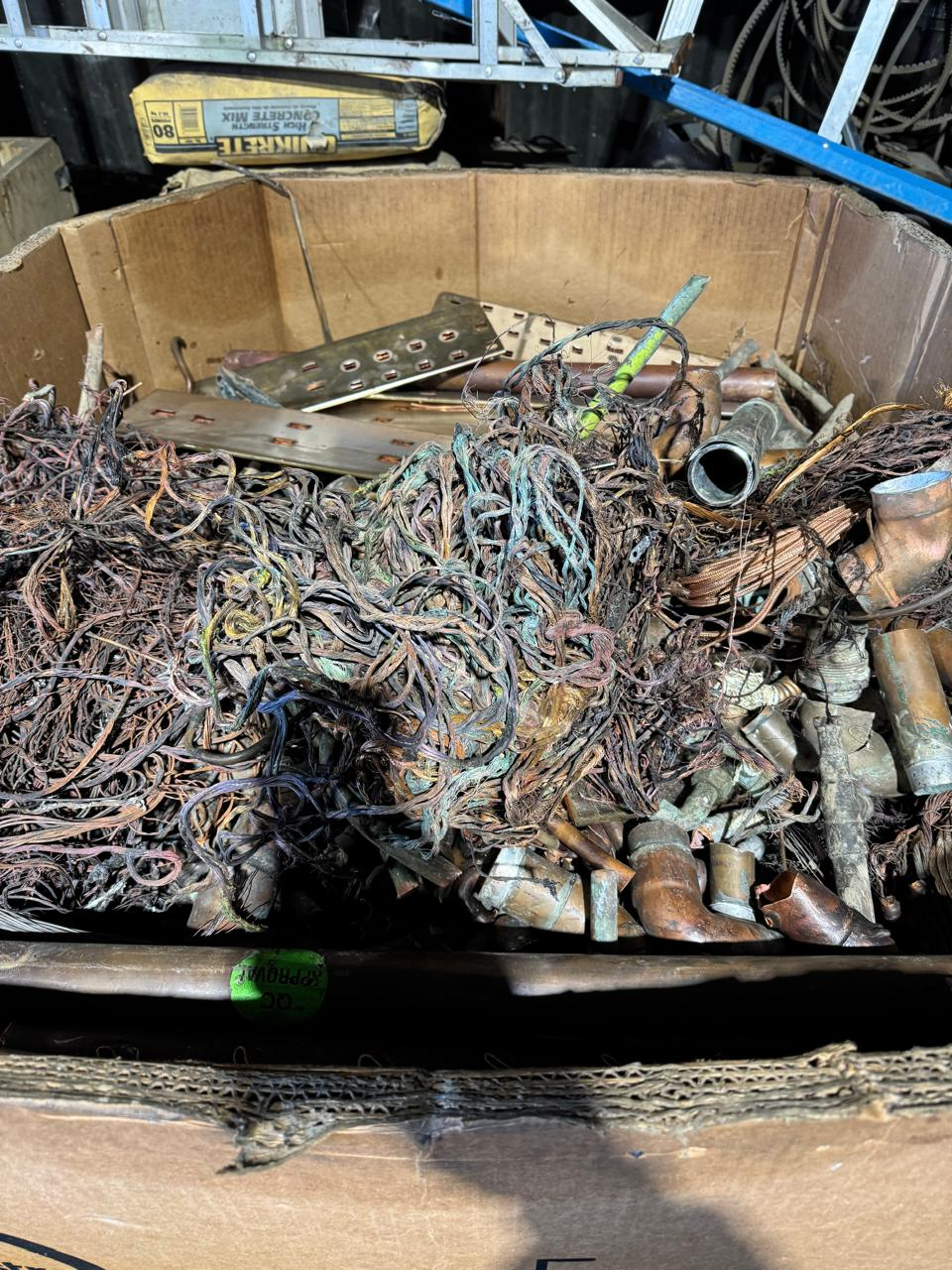
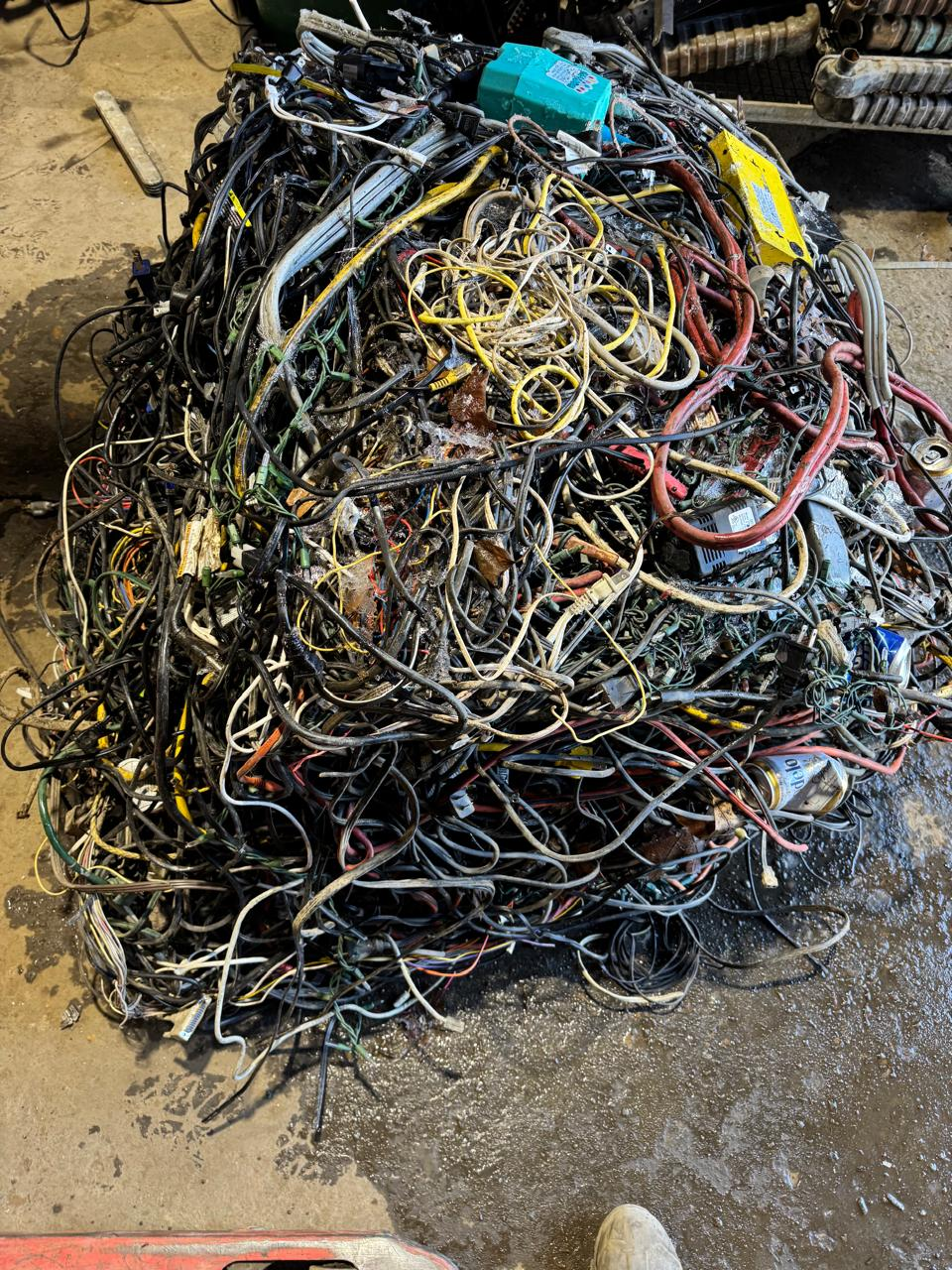
Auto parts recycling is a great practice that improves sustainability and savings. The process has a great environmental impact with a smooth approach to resource conservation. The practice is important for the modern vehicle owner. The best recycling methods have many benefits and present protection for our planet. Recycling can also shield you from unnecessary expenses. The eco-friendly choices with modern versatility help us see how auto parts recycling can work in favour of our planet.
Advantages Of Auto Parts Recycling
Auto parts recycling presents many advantages that change the automotive industry. The practice gives environmental protection and financial savings, and also benefits vehicle owners and the planet alike.
1. Reduces Landfill Waste with Environmental Pollution
There are so many vehicles that reach the end of their life every year. If we don’t recycle them, most of the components would end up in landfills. People dump large volumes of metal and rubber into the environment.
The hazardous materials could contaminate soil and water. We should handle them properly. Coolant and transmission fluids can be harmful as well. Plus, we can not ignore the engine oil. Recycling facilities safely drain, treat, and dispose of these substances. This process reduces environmental pollution and also protects local ecosystems from harmful damage. R&R Scrap Dealer excels in environmentally friendly auto parts to refine them and make the environment pollution-free.
2. Conserves Natural Resources
We need raw materials to make new auto parts. Mining and processing these resources place heavy pressure on the environment. It also depletes valuable natural reserves.
Recycling usable vehicle parts and metals reduces the need for newly extracted materials. This method helps conserve natural resources. It lowers deforestation and mining activities. The practice supports a more ethical automotive industry.
3. Lowers Carbon Emissions
It needs less energy to make the auto parts from recycled materials in comparison to what is needed for building parts from scratch. Mining and refining new ore from the ground can be very energy-consuming. Whereas, if we recycle these ores, we can save that energy.
When energy reduces, greenhouse gas emission as goes down. Auto parts recycling plays an important role in cutting carbon emissions and fighting climate change.
4. Offers Cost Savings for Vehicle Owners
One of the biggest personal benefits that one can see in the auto parts recycling is affordability. You don’t have to pay a lot for the recycled auto parts. They have lower prices in comparison with the new ones. The vehicle repair is budget-friendly when the auto parts recycling process becomes common.
The recycled parts present advantages to car owners. They are profitable for the mechanics and repair shops. The process reduces the maintenance costs, and the quality is still there. The auto parts recycling works as an economical solution. It is really effective for older or discontinued vehicle models.
5. Provides Reliable and Tested Components
Many people think that recycled auto parts are lower in quality. That assumption is rarely the case. Reputable recycling facilities inspect and test the material. They refurbish components before resale. They do it so that they align with reliability and performance standards.
Parts such as engines, transmissions, alternators, and body panels function just as effectively as new ones. The components are present in the market for a fraction of the cost. The balance of reliability and affordability is good for vehicle owners as well.
6. Supports a Circular and Sustainable Economy
Auto parts recycling has a good impact on the circular economy. We can reuse the material, rather than discarding it. The use-and-throw model is not so good here. We can recover the valuable components. Then, we can repair them and introduce them to the market. People can reuse them.
We can reduce waste and create jobs in recycling and refurbishment industries. The practice helps to do responsible consumption across the automotive sector. The method builds a better future for the automotive industry and the environment.
Conclusion
Auto parts recycling presents many benefits for you and the environment. The practice reduces waste in landfills and promotes resource conservation. Recycling auto parts gives significant cost savings on replacement components. The process lowers the energy consumption that we need for the making of new parts. The approach safeguards natural resources. It reduces carbon emissions as well. On the other hand, recycled parts give reliable performance at reasonable prices. The environmental impact is real as recycling prevents harmful materials from polluting soil and water.