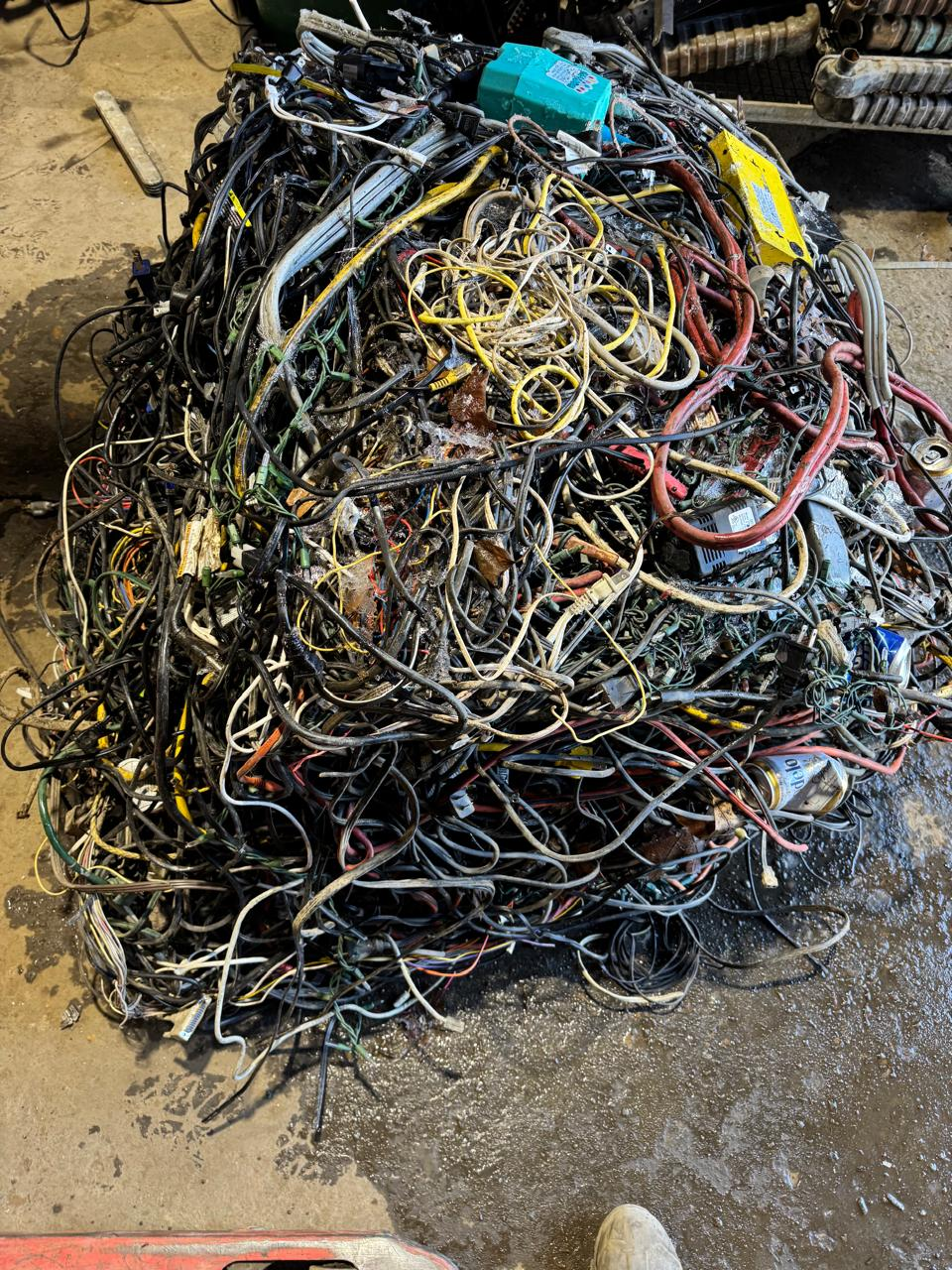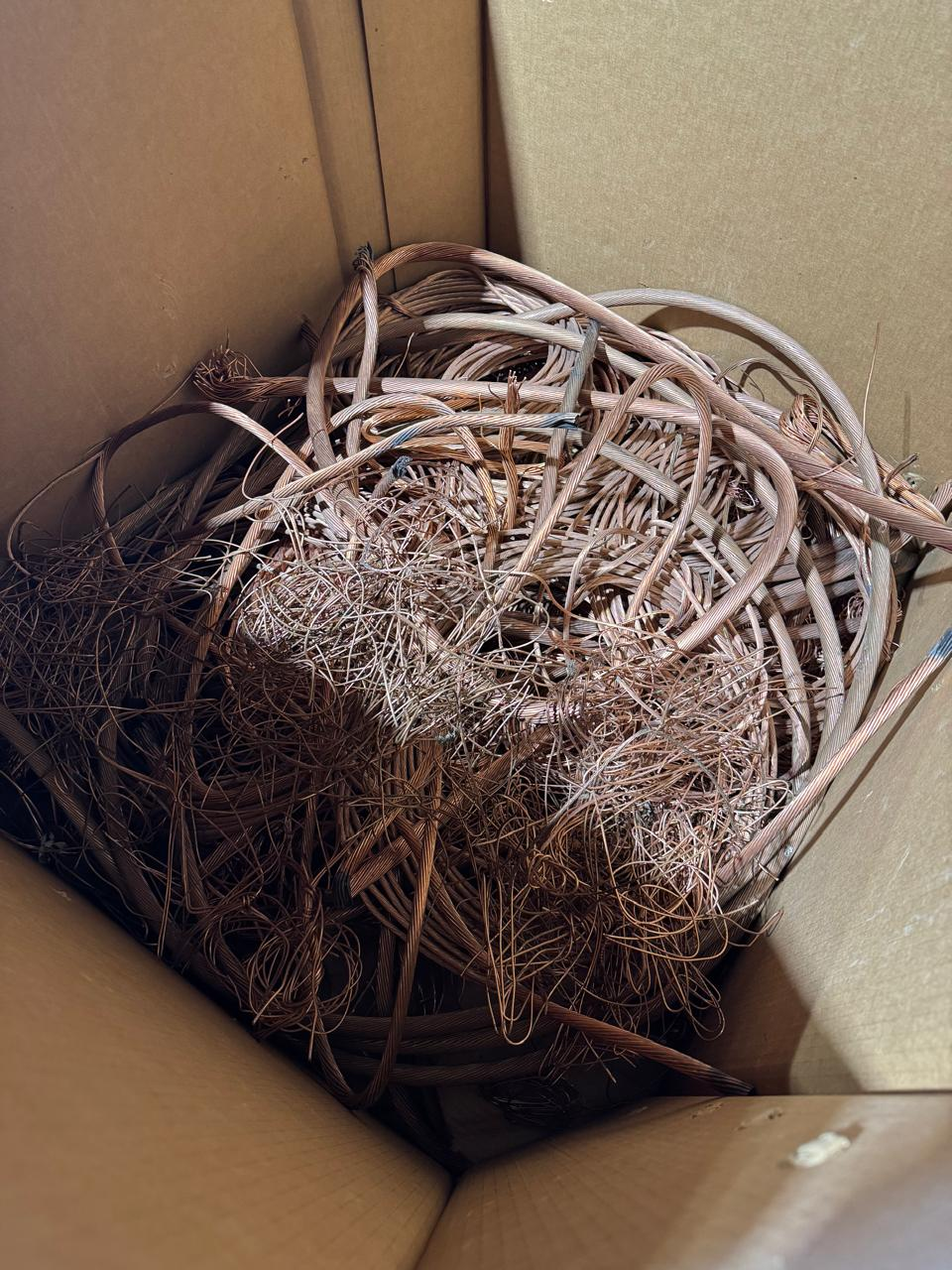
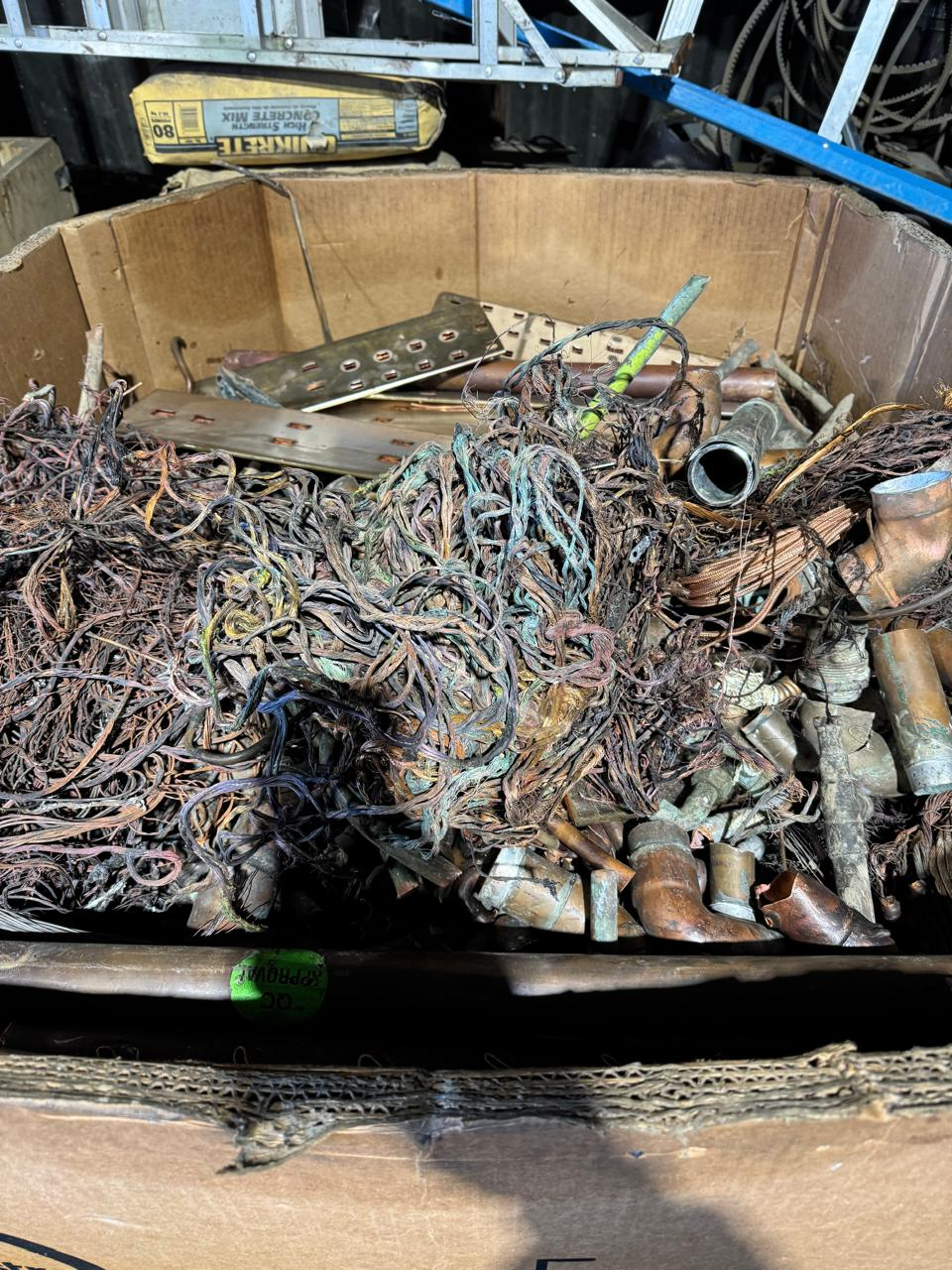
The difference between ferrous and non-ferrous metals shapes everything from the buildings we work in to the technology we use daily. Ferrous metals contain iron (from the Latin “ferrum”), while non-ferrous metals do not. Understanding this distinction helps engineers, manufacturers, and builders to select the right material for every application so as to present optimal strength, durability, and performance.
Some Important Ferrous Metals and Where They Are Used
Steel is a cornerstone of ferrous metal work, created by alloying iron with carbon. This mixture increases the iron’s hardness and overall strength, making it indispensable in construction for tall buildings and bridges. Beyond infrastructure, steel is highly valued in manufacturing due to its incredible versatility.
Carbon steel contains a higher concentration of carbon, which results in a notably hard material. It makes it an ideal choice for manufacturing tools such as drills and blades, as well as springs that require durability. Because carbon steel allows edges to stay sharp for long periods, it is frequently used for high-precision work.
Alloy steel is created by adding specific elements, such as chromium, nickel, or titanium to the base metal. These additions improve the steel’s strength without increasing its weight, distinguishing it from standard varieties. This type of steel is widely used across various industries, ranging from heavy construction to the production of specialized tools and electrical components.
Cast iron is another important metal composed of iron, carbon, and silicon. While it can be brittle, it is also hard and offers high wear resistance. It is commonly used for water pipes, machine tools, and car engines. Additionally, because it can be easily cast into specific shapes, it remains a popular material for durable cookware.
Wrought iron doesn’t have much carbon. Unlike other ferrous metals, wrought iron contains very little carbon and is nearly pure iron. During the manufacturing process, slag is added to help the metal resist rust and corrosion. This durability makes it a preferred choice for fences, railings, and farm tools, as well as intricate decorative designs.
Differences That Impact Your Projects
Magnetism and Conductivity
The primary separator between these groups is iron content. Because ferrous metals contain iron, they possess magnetic properties that make them ideal for motors, electrical applications, and simple household uses like refrigerator magnets. Conversely, non-ferrous metals are non-magnetic, which is an important requirement for certain electronics and specialized wiring.
Corrosion and Weight
Corrosion resistance is a major deciding factor in material selection. While ferrous metals are prone to rusting when exposed to moisture and oxygen, non-ferrous metals resist these elements much better, making them the preferred choice for gutters, liquid pipes, and outdoor signage. Additionally, while ferrous metals are heavier and denser, non-ferrous metals provide a lightweight alternative without sacrificing utility.
Strength and Cost
Ferrous metals are generally prized for their immense tensile strength and durability, making them the standard for structural load-bearing projects. While non-ferrous metals like copper and aluminum excel in thermal and electrical conductivity, they are more expensive due to their rarity and higher extraction costs. However, non-ferrous metals offer high recycling sustainability, as they can be recycled indefinitely without their chemical properties degrading.
Making the Right Choice for Your Application
Choosing the right metal depends entirely on your project specifications and environmental conditions.
- Choose Ferrous Metals when you require high tensile strength, durability, or magnetic properties. These are best suited for construction, automotive manufacturing, and large-scale infrastructure projects where cost efficiency is a priority.
- Choose Non-Ferrous Metals when your project demands corrosion resistance, lightweight design, or high conductivity. These are the gold standard for industrial piping, aerospace components, electrical wiring, and marine equipment.
Understanding the distinct properties of ferrous and non-ferrous metals ensures better performance, longevity, and cost-effectiveness for any engineering or creative project.